

background

Mystery Joker 6000 RTP Explained

See what Return To Player percentage and volatility mean in Mystery Joker 6000, and how to play safely in Norway (18+).

Mystery Joker 6000
Mystery Joker 6000

What Return To Player Percentage Means In Practice

The Return To Player percentage is a map, not a guarantee. It describes how the game is designed over many, many rounds - not what happens tonight. Imagine you have 20 minutes before bedtime and just want to "test a little". If you expect steady small wins, you'll quickly get annoyed when there are long dry spells - even if the game is still behaving completely normally.

The smart move is to use the number as an expectation adjustment. Higher payout doesn't automatically mean you "win more", but that a larger portion of stakes theoretically goes back to players over time. There can still be brutal swings, especially if the game has high volatility. Therefore, you should always combine this with a budget, a time frame, and a plan for when to stop.

In Norway, it is especially useful to think "control first". You must be 18+, and you should treat gambling as entertainment - not as a financial solution. A simple rule helps: Set an amount you can afford to lose, and leave the rest of your money alone.

All promotional incentive structure is clearly stated in writing and/or via electronic means in an easily understood manner. All codes are accompanied by an explanation of what the code is for, who is eligible to use the code, and how it should be used. As such, players are less likely to be confused about what is required of them in order to receive a reward and how the reward will be applied after receiving it. The promotional incentives provided to participants provide them with time to become familiar with the gaming system's mechanics, their interface, and progress, before deciding how deeply they wish to become involved with this platform. Therefore, players are encouraged to participate in an informed manner, rather than being pressured or tempted to act quickly.

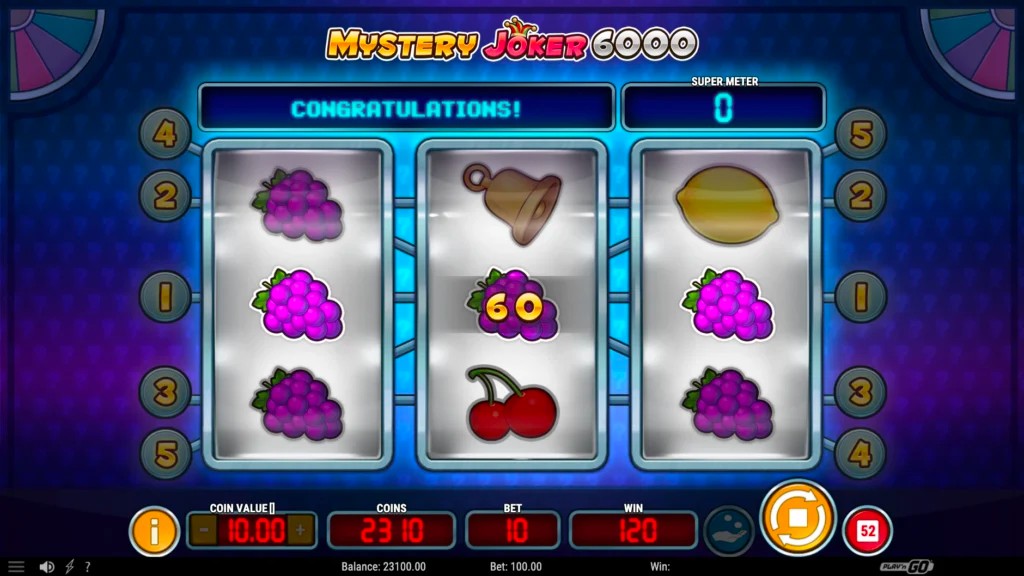
review image 1
Mystery Joker 6000

Variance, Risk, And Play Rhythm

Variance (often called volatility) is about how wins are distributed. Some games give smaller hits more often, others give them less frequently but can pay more when they do occur. Imagine you start a session and decide to double your bet "to get things going". If the game has high volatility, you can burn through your budget before you get a single meaningful hit.

Here's a practical way to read the rhythm: See how quickly your balance fluctuates when you keep the same bet for 30-50 rounds. If it descends in steps with few interruptions, you either need a lower bet or shorter sessions. If you get many small hits that almost cover your bet, you might feel like you're "staying afloat" - but it can also tempt you to play longer than planned.

Ask yourself in the middle of the session: Am I playing for entertainment, or am I playing to catch up? If the answer is "catch up", it's often wise to take a break. It's not dramatic, just effective.

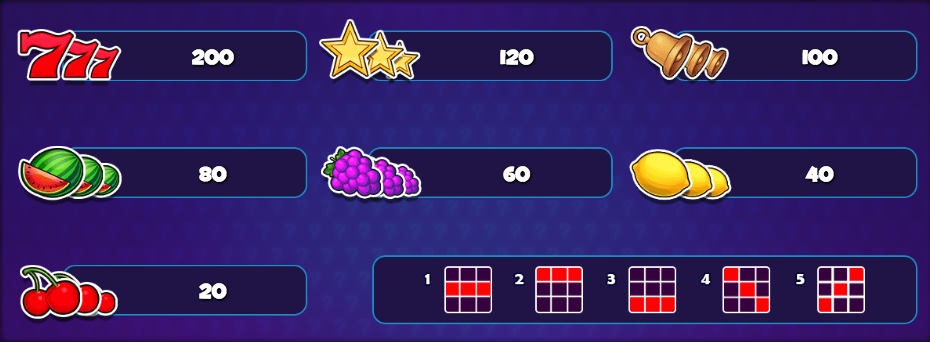
review image 2
Mystery Joker 6000

How To Read The Numbers Before You Play

Before you press start, do yourself a favor by reading the numbers as a checklist, not as a promise. Imagine opening the game on your mobile during a work break, just wanting something quick. Then you need a setup that prevents you from improvising with bets and pace.

Start with three questions: How much can I spend today? How long will I play? What is my stop-point (amount lost, amount won, time limit)? Once these three are clear, the numbers become useful because you use them to choose your bet and session length.

Where To Find The Key Figures

Key figures like RTP, volatility, and game rules are usually found in an info menu within the game itself. Imagine you've already deposited a small amount and are ready to spin - then you discover you don't know how paylines or bonus features work. That's exactly when many people click through without reading, and then they're surprised when something "doesn't count" as they thought.

Keep it simple: Open the info, skim through the rules, and pay special attention to how special symbols behave. Don't try to remember everything. The goal is just to know what can happen, and which features might cost more (for example, if the game has buy features or extra bet options).

A small habit that works: Read the rules as if you were explaining them to a friend in two sentences. If you can't do that, it's a sign that you should take two more minutes before playing further.

How To Test Without Chasing

Testing is about observing, not "forcing" a feature. Imagine you've had 40 rounds without much, and you start thinking "it must happen soon now". That's precisely the thought that makes people increase their bets, extend their sessions, or jump between games in panic.

Instead, create a test plan: Choose a fixed bet, decide on a number of rounds, and stop when you've done what you said you would. Afterward, evaluate the experience: Was the pace too fast? Was the session too expensive? Did the game feel "dry" in a way that made you lose your calm? If the answer is yes, it's better to adjust your bet or switch games than to chase a specific event.

It can also be useful to test at different times, because you yourself are different. A calm session at home leads to different choices than five minutes on the go. It's not the game that "changes" - it's you that does.

Control starts before the first spin. Imagine sitting down and saying "I'll just have a little," but without defining what "a little" means. Then the session often ends with you deciding the limits as you go - and that rarely becomes strict.

Try this micro-routine: Set an upper loss amount, set a timer, and decide on a bet that allows you to stay within the plan. When the timer rings, make a conscious choice: stop or a new, agreed-upon round with the same framework. Don't let it slip.

Another move is to make the game a bit slower. Take short breaks between rounds, check your balance, and ask yourself if you're still following the plan. Small stops have big effects on impulse.

Breaks aren't just for "problem gambling". They are a tool for everyone. Imagine you notice you're getting irritated by small losses and start clicking faster. That's a sign that you've moved from entertainment to friction.

Take a short break when you lose track, when you want to increase your bet for no reason, or when you start negotiating with yourself. A break can be five minutes, a glass of water, or a whole new day. Often that's enough to clear your head.

If you play in Norway, it's especially important to use available responsible gambling tools like limits and time-outs when you feel the pressure. It's much easier to set a barrier before you need it.

Mystery Joker 6000

Deposits, Withdrawals, and Verification in Norway

A game can feel simple until you need to make a payment. Imagine you've had a good session, want to finish and withdraw a win, but you encounter a 'pending' status or an extra check. This is common, and it's why you should think of deposits and withdrawals as one continuous process.

Therefore, choose your payment method with the same mindset as you choose your stake: calmly, planned, and within budget. Below you will find a practical overview of things worth checking before you start.

Topic

What You Check Before You Start

Why It Helps

Practical Tip

Deposits

Confirmations, limits, name

Fewer rejections and less stress

Use the same method you wish to withdraw to

Withdrawals

Order, minimum, status

Less waiting and fewer stops

Complete account checks early

Document Control

ID, address, ownership

Faster processing when you want to withdraw

Have clear, good quality images

Gaming Limits

Time and loss limit

Prevents impulse and 'just a little more'

Set limits before the first session

Choose Payment Method With a Goal

Many choose a method based on what is fastest right now. Imagine you deposit with a solution that feels simple, but which later makes withdrawals complicated because you have to verify more. It's not necessarily 'wrong,' but it takes energy when you really just want a clean finish.

Choose a method based on three criteria: control (can you stop yourself), overview (do you see transactions clearly), and consistency (can you use it for both deposits and withdrawals). Keep it simple at the start. One method, one budget, one plan.

If you notice that deposits become too easy, it's a warning sign – not about you, but about the friction. Then, lower deposit limits and shorter sessions can be what helps you maintain calm.

Withdrawals Without Unnecessary Surprises

Withdrawals work best when you've sorted out the practicalities beforehand. Imagine you want to withdraw, but are asked to complete an account verification first. Then it feels like a roadblock, even though it's really just a standard check.

Do this in the correct order: Ensure that account info is correct, complete necessary verification steps when you are calm, and use the same payment track where natural. When you request a withdrawal, stick to one request at a time. Several small changes can slow down the process because the system has to 'catch up' with the status.

And importantly: Do not let a withdrawal be a reason to continue playing 'while you wait.' If you have decided to stop, stop – and let the process run its course.

Document Control and Privacy

Verification is about linking the account to a real person and method, not about annoying you. Imagine you change your phone and lose access to an old email, or your name is spelled slightly differently. Such small things can cause major interruptions in the flow when you need to do something important.

Protect your privacy: use a strong password, log out on shared devices, and avoid sending sensitive data unnecessarily. When uploading documents, ensure that images are sharp and that all necessary information is actually visible. Half-images often create more rounds of questions.

If you're unsure, ask support early. It's better to spend two minutes clarifying than to spend two days cleaning up when you'd rather be finished.


review image 3

Mystery Joker 6000 Casino Bonus Codes Activation Process

Mystery Joker 6000 Casino Bonus Codes Conditions

Mystery Joker 6000

Top casinos for playing Mystery Joker 6000 — current list

ALF Casino
ALF Casino
Mafia Casino
Mafia Casino
LeoVegas
LeoVegas
Mystery Joker 6000 Betway
SG Casino
Mystery Joker 6000 Betano
Retro Bet

Bankroll, Stakes, and Game Choice

A bankroll is just a fancy word for “the money you've set aside for entertainment.” Imagine you're going in with a sum you actually need for something else, thinking you're “just borrowing a little.” Then every fluctuation becomes heavier, and you make poorer choices. The boundaries define the experience.

Therefore, start by defining the boundaries and let the game adapt to them, not the other way around. A good session is one you can end without regretting how you played. This often means lower stakes, shorter duration, and clear stop points.

Set a Budget Before You Open the Game

The most effective budget is the one you set before you feel anything. Imagine getting a small win and feeling good – then it's tempting to spend more “because things are going well.” Or the opposite: you lose a little and want to “fix it.” Both are common, and both are reasons why the budget must be determined in advance.

Set an amount that is comfortable to lose, and divide it into smaller sessions. If you have 300, don't play as if you have 3000. Instead, make it three sessions of 100 with breaks. This gives you more chances to stop at a time that feels right.

An extra trick: Also decide on a winning point where you stop. Not because you have to, but because it makes it easier to leave when you actually have a reason to smile.

Use a Stake Level That Suits the Volatility

Stakes are pace. Imagine you go in with high stakes to “quickly reach the bonus round.” If the game is designed for rarer, bigger hits, you might encounter long stretches without results, and then your stakes become a stress factor.

Choose a stake that gives you enough rounds to test, not just enough rounds to hope. A simple goal is to be able to play for a while without feeling that every round is a decision with consequences. When the stakes are too high, every round becomes “important,” and that light feeling disappears.

If you notice yourself considering increasing your stake just because it's been quiet for a long time, stop. Ask yourself: Am I increasing it for the sake of the plan, or for the sake of the feeling? The answer is often clear.

When You Should Change Gaming Session

Sometimes it's not the game that's the problem, but the session. Imagine you're playing when you're tired, and everything irritates you – even small wins feel insignificant. In that case, it might be smart to end and start fresh when you actually have energy.

Change sessions when you lose track, when you stop following your budget, or when you notice yourself clicking faster without thinking. A new session doesn't mean “more play.” It means a new choice, with new boundaries. Often, it ends with you taking a break instead, and that is a victory in itself.

It also helps to have a fixed winding-down routine: Check your balance, note what you spent, and log out. Then it's clear when the session is over.

Bonus Terms and Restrictions to Be Aware Of

Bonuses can give more playtime, but they often come with rules that affect withdrawals and flexibility. Imagine activating a promotion without reading, winning early, and then discovering that you have to meet requirements before you can withdraw. It can feel like a trap, even though in practice it was just a rule you skipped.

The solution is simple: Read the most important points before activating anything. Look for which games count, which betting limits apply, and if there are deadlines. If you're looking for a short session and the ability to withdraw quickly, it might be better to play without a promotion.

Also, be honest with yourself: If you know that rules and requirements make you restless, choose simpler alternatives. You play for entertainment - not to manage a system.

Responsible Gaming and Help Tools

Responsible gaming is mostly about friction in the right place. Imagine you've had a tough day, and you open the game to “unwind.” That can work, but it can also become a place you stay too long if you don't set boundaries.

Use the tools available: deposit limits, loss limits, time limits, reminders, and the option to block access for a period. You must be 18+, and you should treat gaming as a choice you make when you have surplus energy - not as a reflex.

A simple rule of thumb: If you feel you *have* to play, it's better to stop. If you choose to play, do so with a start and an end. It makes the experience calmer and more predictable.

How to Use Limits and Time-Out

Limits work best when set before you start. Imagine trying to set a loss limit after you've already lost a bit – then the limit quickly becomes a negotiation with yourself. Set it while you are neutral, so it does the job for you later.

Start with a time limit, because time is often the hidden cost. Then add a deposit limit that matches your budget. If you notice yourself often exceeding your plan, use time-out. A short block can be exactly what prevents you from making impulsive choices when you are tired or irritated.

And if you feel that control is slipping, a longer break or block is a completely normal measure. It is not a defeat. It is a management action that protects you.

FAQ

How do I interpret the return-to-player percentage without overthinking it?

Think of the number as a long-term design goal, not a promise for tonight's session. Set your budget and time first, and use percentage and volatility to choose a stake that allows you to remain calm through fluctuations.

What is the difference between variance and house edge?

House edge describes the theoretical advantage the game has over time, while variance describes how results come in waves. Imagine two sessions with the same budget – one might feel “kind” with many small hits, the other might be quiet for a long time and then provide one larger moment.

Why can results fluctuate even with the same stake?

Because random outcomes in slots come in series, not in neatly distributed patterns. You might experience 100 rounds with little, and then suddenly a period with multiple hits - without you having done anything “right” or “wrong,” simply because that's how fluctuation works.

What limits should I set before playing in Norway?

Start with a time limit and a maximum loss you can tolerate, and add a deposit limit if you often play on impulse. Many keep it simple: one short session, one budget, and a fixed end – that provides control and less stress (18+).

When should I withdraw winnings instead of continuing?

When you have reached a goal you set before you started, or when you notice that you are playing more aggressively because you are in a flow state. The safest thing is to stop at a conscious point, not because the balance “randomly” says stop.

What do I do if a payment is pending?

First, check if you have an incomplete account verification, and if the payment method requires additional approval. Do not start multiple new transactions in panic – gather the time, amount, and status, and contact support with a brief explanation.

How can I take a break or block my account?

Use the time-out or blocking features in your account settings so that the break becomes a choice you cannot “negotiate away” in the moment. If you notice that you are constantly exceeding your plans, a longer block is often the most effective way to regain peace of mind.

Play Now
🇬🇧 English